tough business:
a parker site
“I feel such admiration for Westlake and Darwyn’s work” - An Exclusive Interview with Ed Brubaker
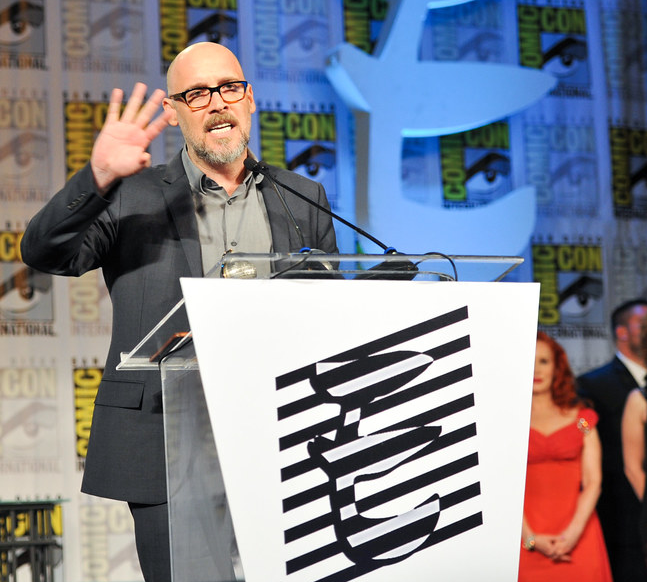
For our first interview of the year, the team at Tough Business had the distinct pleasure of chatting with Eisner Award-winning comic book writer Ed Brubaker about crime fiction, his friendship with Darwyn Cooke, and all things Parker.
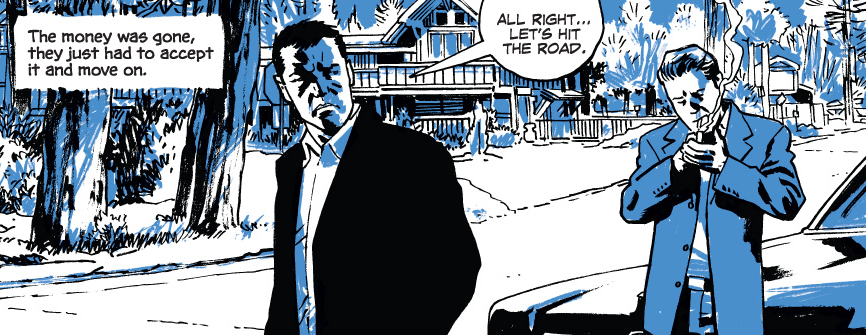
We spoke to Ed's frequent collaborator, Sean Phillips, a while back about their Alan Grofield story appearing in Richard Stark's Parker: The Martini Edition - Last Call — and Ed kindly filled in some of the blanks for us. Check out the full interview below for a look behind the scenes of the first original Parker story, as well as a hint at what's in store in Five Gears in Reverse, the latest installment of the acclaimed Criminal comic book series.
1) How were you first introduced to Richard Stark's Parker novels? Was the Grofield solo series a later discovery?
My dad had some of the Parker books when I was a kid. He collected a lot of different kinds of books including old pulp paperbacks, mostly detective or spy fiction but he also had a few Parkers.
I think I loved the covers and they were very easy to read, and Parker is such a fun character. But other than when Point Blank came out on video and people finally wrote about that movie and how amazing it is, I hadn’t really thought about the books until I was doing Catwoman with Darwyn Cooke. Darwyn was really into them, among other old books and movies and comics we talked about all the time. After that I started hunting them all down and got addicted. I even managed to find a hardback of Butcher's Moon.
The Grofield books, I read Lemons Never Lie when Hard Case put it out. The other ones I have not found anywhere yet.
2) When we interviewed Sean Phillips last year, he mentioned that the two of you were the first people allowed to do an original Parker story. How did that come about? Can you tell us a little bit about the process behind that, and what made you choose the subject matter?
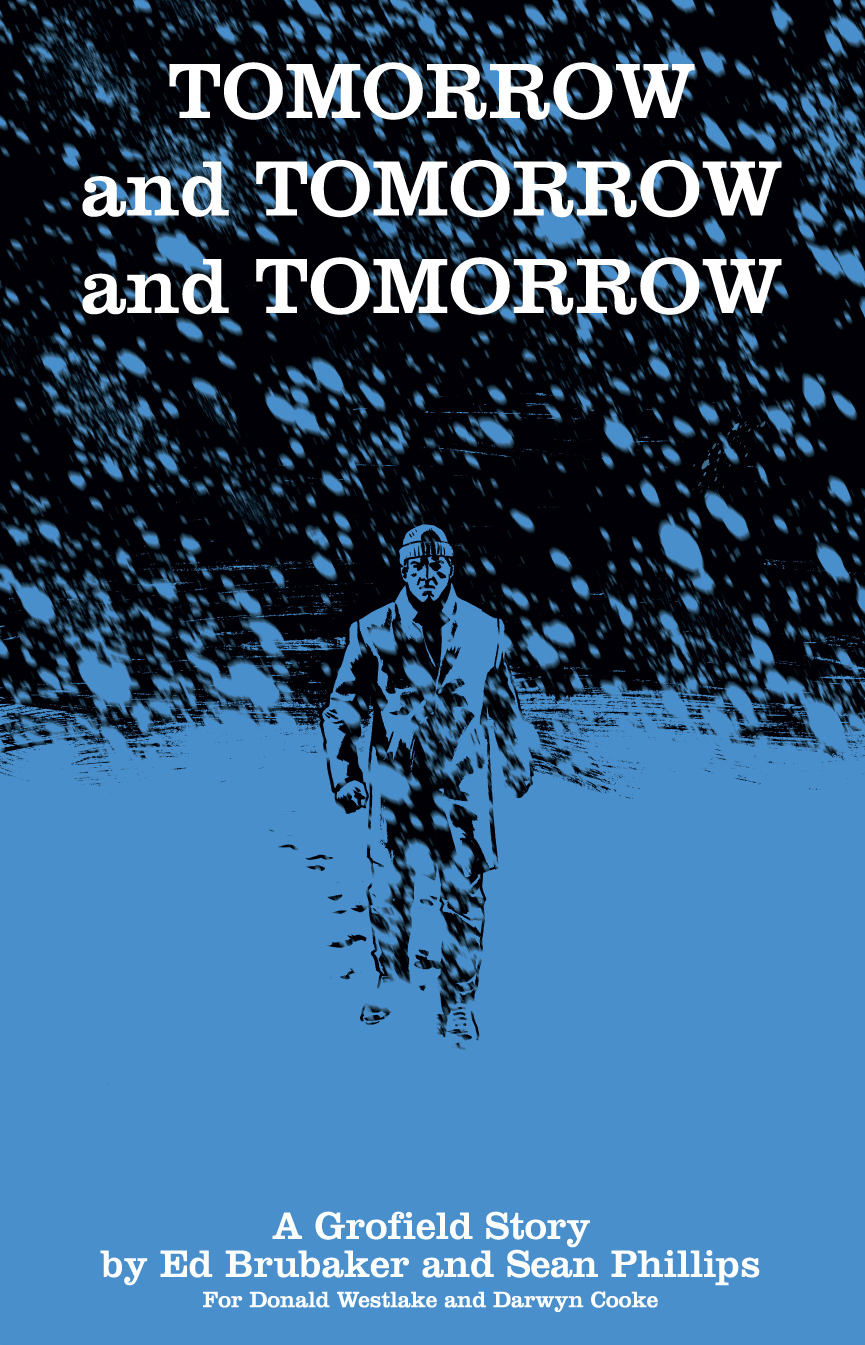
Yeah, when Darwyn died I volunteered for us to help oversee the collection of his Parker books for our old editor Scott Dunbier. Scott kept asking if we’d do a short story as an extra thing like Darwyn had done in the first one, adapting a chapter of a book. But I didn’t feel right doing that.
I feel such admiration for Westlake and Darwyn’s work that I couldn’t imagine trying to write Parker. Too intimidating. So I suggested I do a story ‘about’ Parker from Grofield’s point of view. I wanted it to be a tribute to Donald and Darwyn, so I figured it would be about death and loss.
Scott got Abby Westlake’s permission but she had to approve everything. My initial idea was about Parker being dead but Abby insisted that Parker not die. She wanted him to still be out there.
And that actually helped me figure out my idea, which is a story that takes place in the twenty-something year period where there were no Parker books coming out. So Grofield and his other criminal friends assume he’s dead. And it’s about Grofield remembering a job he did with Parker.
3) Alan Grofield generally differs from the average crime fiction protagonist, and your short story in the Martini Edition is unflinchingly sentimental. How do you interpret the character? What aspect of Grofield stands out to you?
I mean, he’s well-read and he’s an actor and he’s charming and married, but he’s still tough as hell. Just not as tough as Parker. I think that implied to me he’d be more sentimental than Parker.
But that was just what I wanted to write about honestly. My friend had died, and I’m at the age now where I’m losing family and friends more often and that’s what I was thinking about. Really from the time Donald Westlake died, because I was going to do an interview with him and Darwyn for Criminal and was really excited to meet one of my heroes but then he died suddenly before the book came out. I remember feeling just stunned that he was gone even though I didn’t know him personally.
So I used Grofield and Parker to write about grief and time passing and life. But also a fun heist story.
4) There's been a lot said about Parker showing real regard and loyalty to Grofield in Butcher's Moon, how he's willing to risk his life to rescue him, but your comic adds a lot of depth to their friendship from Grofield's side of things. How do you view their dynamic?
I think what Grofield says in my story is true. I think Grofield thinks about a potentially dead Parker more than Parker thinks about dead old friends. I think Parker values Grofield because he can trust him but Grofield actually experiences feelings more than Parker.
Parker is very matter of fact. Darwyn said Westlake referred to Parker as like a plumber. He doesn’t get excited or nervous about his work, he just does it, and if he has to kill somebody to get that pipe fitted then that’s what he does.
5) Do you see yourself returning to Parker comics at any point in the future?
Probably not. It was fun and meaningful to do that story and it helped inspire me and Sean to our next big thing — which was the Reckless books. But I don’t really want to write other people’s characters too much anymore.
6) Would you say Donald Westlake's writing has influenced your own? If so, have the Parker novels directly inspired any particular comic of yours?
I think the grounded way that Parker’s world is portrayed, how blue collar it all seems, was an influence on my crime writing. But I also have a history of crime and drug abuse so that was formative too. Honestly I don’t think about influences much really, as a writer.
But when I was writing the Grofield story, I realized that Westlake and I write very similar sentences and that was interesting. As you said, he’d never have written something that sentimental but stylistically we’re in the same place. My friend described my story as ‘like a Parker story but with more feeling’ and that’s what I was going for.
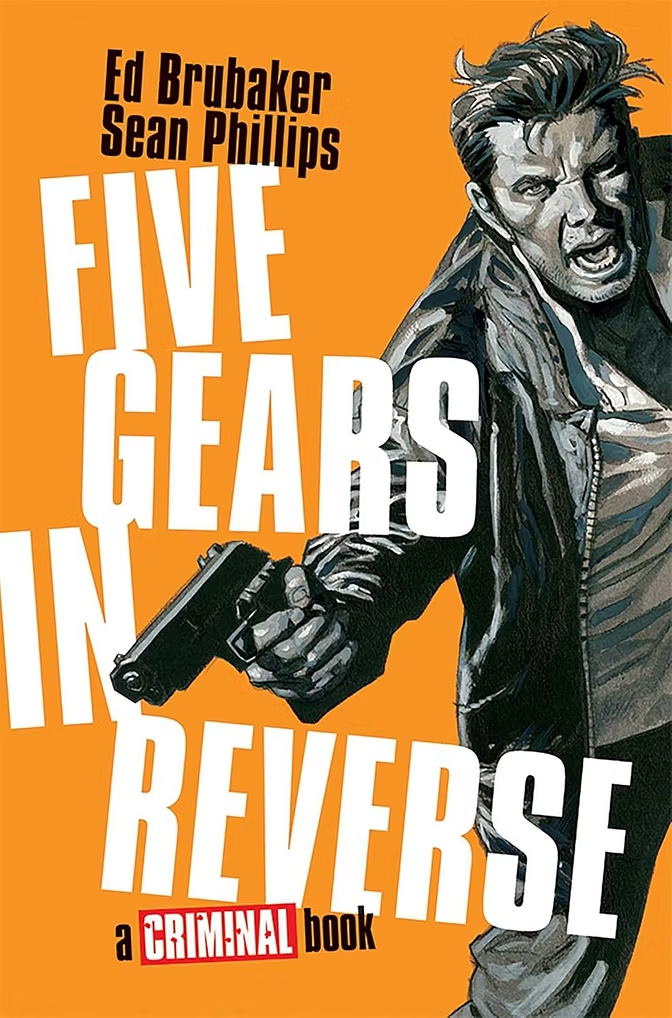
But I will say, in the next Criminal book, Five Gears In Reverse, I totally stole the Parker structure of having the fourth part be about another character. The rest of the book is first person so it’s different from the Parker books, but that was a very straight lift of his technique. I just always loved that part of the Parker books where you turned the page and it was someone else’s story having to deal with Parker. So I tried that out.
And I think I write kind of like Westlake/Stark did, in that I don’t outline too heavily I just follow characters and sit and type.